Student Issues / Attending College

Academics, extracurricular activities, housing and more: be savvy about all facets of attending community college. Get tips on making the Dean's list. Find ways to benefit from community college outside the classroom. Analyze the latest data on graduation and employment rates. Plus news from journals, blogs and more.

View the most popular articles in Student Issues / Attending College:

How High School Students Can Earn a Community College Degree

Updated
|
How High School Students Can Earn a Community College Degree
Learn how high school students can earn a community college degree before graduation through dual enrollment, early college programs, and strategic planning.

For many families, the traditional path from high school to college is changing. Increasingly, motivated students are graduating from high school with not only a diploma but also a community college degree.

Understanding How High School Students Can Earn a Community College Degree Before Graduation can help families reduce college costs, accelerate academic progress, and provide students with a stronger start toward a bachelor's degree or career.

Across the United States, dual enrollment and early college programs allow high school students to earn college credits, and in some cases a full associate degree, while still enrolled in high school. As of 2026, participation in these programs continues to grow as states and school districts expand partnerships with community colleges.

This article explores how these opportunities work, which programs make it possible, and what students and parents should consider when planning this accelerated pathway.

Why More Students Are Earning College Degrees in High School

The rising cost of higher education has encouraged families to look for ways to reduce tuition expenses. Dual enrollment programs, early college high schools, and structured partnerships between school districts and community colleges now offer a practical solution.

According to the National Center for Education Statistics, millions of high school students participate in dual enrollment each year, earning transferable college credit before graduation.

These programs offer several key benefits:

• Lower overall college costs
• Faster completion of a bachelor's degree
• Exposure to college-level coursework
• Improved college readiness

. . .read more

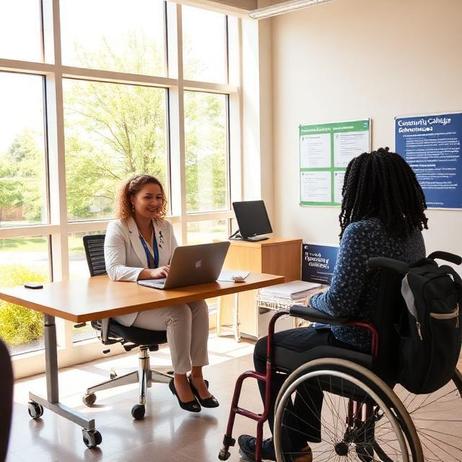
How Community Colleges Help Students with Disabilities

Updated
|
How Community Colleges Help Students with Disabilities
Explore how community colleges support students with disabilities through accommodations, accessibility services, and inclusive programs in 2026.

Understanding How Community Colleges Help Students with Disabilities is essential for families and students evaluating postsecondary options in 2026. With nearly one in five undergraduates reporting a disability, according to the National Center for Education Statistics, community colleges play a critical role in providing accessible, affordable, and flexible higher education pathways.

From academic accommodations and assistive technology to career planning and transition support, community colleges have steadily expanded services designed to ensure students with disabilities can succeed both in the classroom and beyond. For many learners, especially those seeking a supportive environment close to home, these institutions offer a balanced combination of affordability, individualized attention, and practical workforce preparation.

This article explores how community colleges help students with disabilities, what services are typically available, and what families should look for when evaluating programs.

The Legal Foundation: Equal Access in Higher Education

Community colleges operate under federal disability laws that guarantee equal access to education.

Two primary statutes shape campus policies:

Unlike K–12 education, where schools must identify and provide services under the Individuals with Disabilities Education Act, college students must self-disclose and request accommodations. Once documentation is provided, institutions are required to offer reasonable accommodations that ensure equal access to academic programs.

In

. . .read more

Get Better Grades in Community College by Being Social (2026 Update)

Updated
|
Get Better Grades in Community College by Being Social (2026 Update)
Learn how being social in community college boosts grades, retention, and career success. Updated 2026 strategies for academic achievement.

Get Better Grades in Community College by Being Social (2026 Update)

Community college students often juggle work, family responsibilities, and academic demands. Many commute to campus and leave immediately after class, limiting opportunities to connect with peers. Yet research continues to show that students who build meaningful social connections are more likely to persist, earn higher grades, and complete their programs.

In 2026, as community colleges expand hybrid learning, career pathways, and student support services, one factor remains consistently powerful: social engagement. Being social in community college is not about popularity; it is about academic strategy. Students who actively connect with classmates, faculty, and campus resources position themselves for measurable academic success.

Why Social Engagement Improves Academic Performance

Multiple national studies confirm the connection between social integration and academic outcomes. According to the National Student Clearinghouse Research Center, student persistence and completion rates increase significantly when learners feel connected to their institution and peers. Similarly, the Center for Community College Student Engagement reports that students who collaborate with classmates and participate in campus activities are more likely to report higher grades and stronger academic confidence.

Why does being social improve performance?

  • Shared learning reinforces retention. Discussing concepts helps students process and retain material.

  • Accountability increases motivation. Study partners and peer groups reduce procrastination.

  • Access to information expands. Socially connected students learn about

. . .read more

Navigating Community College as an Adult Learner in 2026

Updated
|
Navigating Community College as an Adult Learner in 2026
A practical 2026 guide for adults returning to community college, covering admissions, financial aid, career planning, and flexible learning options.

Navigating Community College as an Adult Learner: Returning to School in 2026

For millions of Americans, 2026 represents a turning point. Rising tuition costs at four-year institutions, rapid workforce changes driven by artificial intelligence, and expanded state funding for workforce training have made community colleges more attractive than ever.

Navigating Community College as an Adult Learner: Returning to School in 2026 requires thoughtful planning, but today’s institutions are better equipped than ever to support working adults, parents, veterans, and career changers. Flexible schedules, online programs, credit for prior learning, and expanded financial aid options are reshaping the adult learner experience.

This guide explores what returning students need to know in 2026, from enrollment trends and program selection to balancing family responsibilities and career advancement.

Why More Adults Are Returning to Community College in 2026

Adult learners now represent a significant portion of community college enrollment. According to the National Center for Education Statistics, students over age 25 make up a substantial share of postsecondary enrollment nationwide. Data from the National Center for Education Statistics show that adult participation in two-year institutions has remained strong as workforce demands evolve.

Several forces are driving this resurgence:

  • Rapid changes in technology and automation

  • Demand for short-term credentials and industry certifications

  • State-funded workforce retraining initiatives

  • Expanded online and hybrid learning options

. . .read more

How Community College Students Can Build a Transfer-Ready Portfolio for 2026

Updated
|
How Community College Students Can Build a Transfer-Ready Portfolio for 2026
Learn how community college students can build a transfer-ready portfolio for 2026 admissions with coursework, projects, recommendations, and planning tips.

How Community College Students Can Build a Transfer-Ready Portfolio for 2026 Admissions

As transfer admissions grow more competitive, community college students must think beyond grades alone. For the 2026 admissions cycle, selective universities are increasingly evaluating the full academic and personal profile of transfer applicants. This shift makes understanding how community college students can build a transfer-ready portfolio essential for students planning to move from a two-year college to a four-year institution.

A transfer-ready portfolio is not a single document. It is a curated body of academic work, experiences, and supporting materials that demonstrate readiness for upper-division study. For community college students, building a transfer-ready portfolio begins early and evolves with each semester. When done well, a transfer-ready portfolio can distinguish applicants with similar GPAs and coursework.

This guide explains how community college students can build a transfer-ready portfolio for 2026 admissions, with updated strategies, practical examples, and expert-informed insights for students, families, and educators.

Why a Transfer-Ready Portfolio Matters More in 2026

Transfer admissions policies continue to evolve. Many universities now use holistic review models that mirror freshman admissions, especially for competitive majors. Admissions officers want evidence that community college students can succeed academically, contribute to campus life, and persist to graduation.

For 2026 admissions, transfer-ready portfolio expectations often include:

  • Demonstrated academic rigor aligned with the intended major

  • Evidence of intellectual engagement beyond required coursework

. . .read more

Recent Articles

As Four-Year Colleges Enter Short-Term Training, Should You Still Choose a Community College?
As universities expand short-term workforce certificates, learn how community colleges compare on cost, flexibility, employer partnerships, and career outcomes.
What New Federal Aid Rules Mean for Short-Term Training Choices
Learn how new federal financial aid rules affect short-term workforce training programs and what prospective community college students should consider before enrolling.
Childcare, Transportation, and Food Support: Services That Drive Community College Completion
Learn how childcare, transportation, food assistance, and other basic needs services help community college students stay enrolled and graduate.

Student Issues / Attending College

EXTRACURRICULAR ACTIVITIES
Community college can be fun and socially enriching, especially with the right extracurricular activities. Reasons to join the debate club, volunteer opportunities and wellness programs are just a few topics covered here. Explore the benefits of community college outside of the classroom, from holiday celebrations to athletic programs, schools are finding ways to keep students engaged on campus.
GRADUATION
Graduation rates, policies, and caps - oh my! This section covers all topics related to community college graduations. How does state spending impact graduation rates? Who are the oldest community college graduates? What initiatives are in place to stem the rate of dropouts? Find the answers to these questions and more.
COMMUNITY COLLEGE HOUSING
The number of community colleges offering on-campus housing is on the rise. Learn more about campus living options, compare the pros and cons of dorm life, and get help deciding what housing is best for you.
IMPROVING LEARNING
Get helpful tips and expert advice on boosting your GPA. This section will provide valuable tips on studying, mentor programs and how to avoid academic probation. Examine the latest trends in student motivation techniques, take a good look at online learning, and find resources to guide you on the path to success.
IMPROVING YOUR JOB SEARCH
Whether you have just enrolled in community college or you’re ready to graduate and enter the job market, our articles can help improve your opportunities of landing the perfect job. Internships and apprenticeships offer lots of benefits, find out how participation in these programs can move your resume to the top of the pile. Analyze employment data for community college graduates and determine who is getting hired. Get valuable tips on polishing your candidacy and making the most of job fairs.
CLASS SCHEDULES
- Do you need child care? Are you employed full-time? Community colleges offer a variety of scheduling options, allowing most students to easily integrate continued education into an already busy schedule. From weekend classes to courses at midnight, we cover the gamut of flexible class schedules at community college.