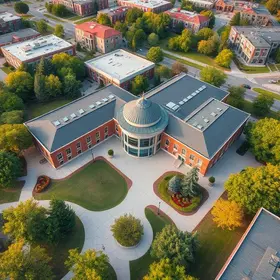
- Midwest Institute offers career focused curriculum with hands on learning. This environment allows students to gain real world experience. From the first day of class, we will work with you as you experience the different stages of building your career. The needs of future employers is the foundation of this process. Our goal is to provide you with the tools necessary to enter your health care Career as an educated and marketable employee. Midwest Institute seeks students who have a sincere interest in the medical field. Your interest, motivation and commitment are a few of the factors measured when considering your acceptance to a program. Midwest Institute has earned an excellent reputation in the community and a solid job placement record for its students. Let us assist you in choosing the career path that best suits your aspirations and expectations. Our programs include medical assisting, dental assisting, veterinary assisting, pharmacy technician, massage therapy, medical office coding and billing, associate of occupational science degree in medical office assisting, associate of occupational science degree in medical massage science, HVAC technician.
School Highlights
Midwest Institute serves 177 students (100% of students are full-time).
The college's student-teacher ratio of 20:1 is lower than the state community college average of 27:1.
Minority enrollment is 56% of the student body (majority Black), which is more than the state average of 43%.
Quick Facts (2026)
- Enrollment: 177 students
- Acceptance Rate: 87%
- Student-teacher ratio: 20:1
- Minority enrollment: 56%
- Source: Integrated Postsecondary Education Data System (IPEDS)
Top Rankings
Midwest Institute ranks among the top 20% of public schools in Missouri for:
Category
Attribute
Completion Rates
Debt For Students
School Overview
The teacher population of 9 teachers has declined by 52% over five years.
Midwest Institute
(MO) Community College Avg.
Carnegie Classification
Special Focus Two-Year: Health Professions
Associate's Colleges
Institution Level
At least 2 but less than 4 years
At least 2 but less than 4 years
Institution Control
Private for-profit
Public
Total Faculty
9 staff
55 staff
Number of Programs Offered
4
9
School Calendar
Student Body
The student population of Midwest Institute has declined by 42% over five years.
The student-teacher ratio of 20:1 has increased from 14:1 over five years.
The Midwest Institute diversity score of 0.61 is more than the state average of 0.00. The school's diversity has grown by 17% over five years.
Total Enrollment
177 students
1,723 students
Student-Teacher Ratio
20:1
27:1
# Full-Time Students
177 students
619 students
# Enrollment Undergraduate
153 students
190 students
# Full-Time Undergraduate Students
177 students
708 students
% Hispanic
3%
6%
% Black
44%
10%
% White
44%
57%
% Hawaiian
2%
n/a
% Two or more races
3%
4%
% Unknown races
3%
20%
Diversity Score
0.61
0.00
College Completion Rate (Students who graduate in less than 4 years)
84%
44%
Average Graduate Earnings (10 Years)
$21,500
$29,400
Tuition and Acceptance Rate
% Students Receiving Some Financial Aid
58%
93%
Median Debt for Graduates
$9,500
$10,500
Median Debt for Dropouts
$8,837
$5,500
Acceptance Rate
87%
91%
Source: 2025 (or latest year available) Integrated Postsecondary Education Data System (IPEDS)
Frequently Asked Questions
What is the acceptance rate of Midwest Institute?
The acceptance rate of Midwest Institute is 87%, which is lower than the state average of 91%.
What is Midwest Institute's ranking?
Midwest Institute ranks among the top 20% of community college in Missouri for: Highest completion rates and Least debt for graduating students.
Recent Articles

As Four-Year Colleges Enter Short-Term Training, Should You Still Choose a Community College?
As universities expand short-term workforce certificates, learn how community colleges compare on cost, flexibility, employer partnerships, and career outcomes.

What New Federal Aid Rules Mean for Short-Term Training Choices
Learn how new federal financial aid rules affect short-term workforce training programs and what prospective community college students should consider before enrolling.

Childcare, Transportation, and Food Support: Services That Drive Community College Completion
Learn how childcare, transportation, food assistance, and other basic needs services help community college students stay enrolled and graduate.