Healthcare Careers

Recession-proof and rewarding, healthcare careers can be started right from community college. Here you’ll identify the hottest trends in health care degrees, earn how to become an emergency technician and read why community college is a great place to start your addiction counseling degree.

View the most popular articles in Healthcare Careers:

Healthcare Careers: 10 Top Health Fields

Updated
|
Healthcare Careers: 10 Top Health Fields
Learn about 10 of the best jobs in health care that you can land with just a two-year degree from your local community college.

For students looking to enter the workforce with a two-year degree under their belts, the medical field is an excellent one to consider. Many positions within this industry can be started with an associate degree, and the number of job openings and growth potential gives these healthcare jobs some of the best value for your higher education dollar. Check out these top 10 health fields you can enter after spending just two years earning your degree.

Dental Hygienist

Most people have a closer relationship with the dental hygienist than the dentist since this professional spends the most time with patients. Hygienists go far beyond simple teeth cleaning, including assisting dentists with surgical procedures, taking X-rays, and educating patients on proper dental care. According to U.S. News and World Report, dental hygienists can expect to earn an annual average salary of $68,200 and enjoy a projected job growth of around 38 percent in their industry.

This video explains what a dental hygienist does.

Medical Sonographer

Medical sonographers use ultrasound technology to help physicians diagnose various disorders and illnesses. Sonographers are responsible for taking ultrasound pictures and determining which photos will be most helpful to the physician making the final diagnosis. This position is heavily patient-oriented and suits those who enjoy working with others. Allhealthcare.com predicts that the job growth for medical sonographers should remain around 16 percent through 2016. Professionals in this field


. . .read more

Healthcare Careers: In-demand Careers

Updated
|
Healthcare Careers: In-demand Careers
Discover 10 in-demand healthcare careers you can pursue with a two-year degree. From dental hygienists to health information specialists, these roles offer quick entry into the medical field with promising job prospects and opportunities for growth.

Healthcare Careers: In-demand Careers

Community colleges have become a popular place to jumpstart a new career, whether you are entering the professional workforce for the first time or looking to change career paths. One of the hottest degree trends at these two-year schools right now is health care, with plenty of choices in areas of study and ample job opportunities after graduation. You might work directly with patients or find an administrative position in the healthcare industry – and it all begins with training at your local community college.

Why Community College for Health Care?

Many interested in the healthcare field make the mistake of thinking a four-year degree is necessary to land a well-paying job in the industry. However, several graduates who come into their jobs with two-year associate degrees can make excellent salaries with minimal training time. Some of the top jobs in health care requiring an associate degree can earn an average salary of $50,000 or more, and opportunities for advancement and salary increases are always possible. When you offset this salary change with education costs that are a fraction of what they would be at a four-year school, you can see why many are choosing the community college route to launch their healthcare careers.

This video describes the healthcare program at Sampson Community College in Clinton, North Carolina.

Another advantage of choosing a community college for your healthcare degree

. . .read more

Healthcare Careers: Caregiver

Updated
|
Healthcare Careers: Caregiver
With the growing number of Baby Boomers reaching their golden years, the demand for caregivers is surging. Learn about a career in caregiving and how you can get your training at community college.

The trend in the United States has gradually been moving from placing elderly patients in hospitals and long-term care facilities to allowing them to stay in their homes and communities for as long as possible. To achieve that goal, the role of the home caregiver has also expanded, with more need for these trained professionals than ever before. Home caregivers make regular trips to the homes of patients to help them live independently for as long as possible. While training for qualified caregivers has not kept up with demand, new training programs are cropping up at community colleges around the country to get more professionals into this rewarding career.

Jobs for Caregivers

According to the U.S. Bureau of Labor Statistics, job growth for home caregivers and health aides is expected to increase exponentially as the demand for these professionals rises. Many caregivers work part-time evenings and weekends, while others find full-time employment. Some of the duties of a home caregiver might include:

  • Working with elderly or physically or mentally disabled patients to help them live independently
  • Helping patients recently discharged from hospitals as they recover from illness, injury or surgery
  • Providing psychological support and instruction to patients they visit
  • Performing light housekeeping duties like changing linens and cooking meals
  • Checking a patient's vital signs and keeping a record of the results for doctors
  • Assisting patients with basic functions like bathing, grooming or dressing

Because many home caregivers must help patients get in and out of bed or get

. . .read more

Healthcare Careers: Optician

Updated
|
Healthcare Careers: Optician
From learning to interpret prescriptions accurately to understanding the latest trends in eyewear fashion, community college optician training equips students with the expertise needed to excel in the optical industry. Whether you are a recent high school graduate or a career changer looking for a fulfilling and rewarding profession, these programs offer a clear path to success.

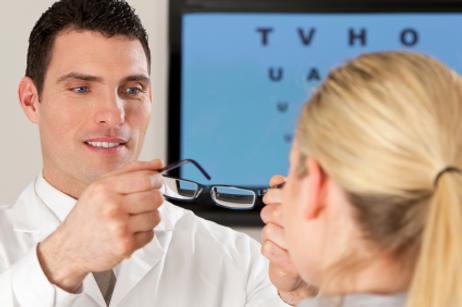
In the hunt for jobs that can survive in any economic climate, vision care has slowly but surely come to the forefront. Adults of all ages are discovering that careers as dispensing optician offer job stability and a decent salary after just a few short years of training. Whether you are just starting out after high school or looking for a job change after years in the workforce, we have the facts to help you decide whether a career in optician is the right choice for you.

What is Opticianry?

Once a patient receives a prescription for glasses or contacts from an optician or ophthalmologist, the dispensing optician is responsible for creating the eyewear for the patient's specific needs. This professional uses a host of diagnostic equipment to measure the cornea's thickness, width, and curvature to fit contact lenses precisely to the patient. In some cases, the dispensing optician will be responsible for cutting the lenses and placing them into the frames, and adding tinting or protective coating to the lenses themselves.

Once the eyewear is complete, the dispensing optician meets with the patient once again to ensure the glasses fit properly and make adjustments as needed. These employees might also help clients who need repairs to their glasses or educate them about appropriate care of their eyewear. Some also perform administrative duties, such as maintaining a database of customer prescriptions and tracking inventory and sales.

This video explains optician training.

. . .read more

Healthcare Careers: Addiction Counseling

Updated
|
Healthcare Careers: Addiction Counseling
Whether motivated through personal experience or compassion, addiction counseling can help save people's lives. Learn about how you can start your career in addiction counseling right from community college.

Addiction counselors work with individuals who have issues with drugs, alcohol, gambling or eating. These professionals operate in a variety of settings, providing both individual and group counseling services that offer the support patients need to move on from their additions. If you have a passion for helping people and are willing to put in the time and training to obtain certification in your field, addiction counseling might be the right job for you.

Many students begin their study in addiction counseling at their local community college, and then they move to a professional position or a four-year university where they can continue to advance in their field. While many states require individuals to have a master's degree to become licensed as an addiction counselor, others use their community college training to get their foot in the door and advance with on-the-job experience.

About Addiction Counseling

According to the U.S. Bureau of Labor Statistics, job growth for addiction counselors over the next decade is expected to be favorable. The job may be performed in a variety of settings, from private offices to clinics and hospitals. Counseling sessions are frequently in group format, with many patients coming to weekly sessions that help them overcome their addictions over a period of time. These counseling sessions provide support and information to help people modify behaviors and address issues that led to the addictions in the first place.

Most states require addiction counselors to obtain a license

. . .read more

Recent Articles

As Four-Year Colleges Enter Short-Term Training, Should You Still Choose a Community College?
As universities expand short-term workforce certificates, learn how community colleges compare on cost, flexibility, employer partnerships, and career outcomes.
What New Federal Aid Rules Mean for Short-Term Training Choices
Learn how new federal financial aid rules affect short-term workforce training programs and what prospective community college students should consider before enrolling.
Childcare, Transportation, and Food Support: Services That Drive Community College Completion
Learn how childcare, transportation, food assistance, and other basic needs services help community college students stay enrolled and graduate.