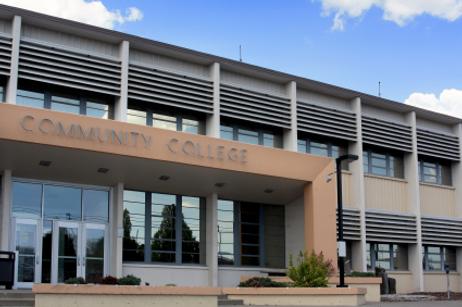
Getting Started

This section provides an in depth look at choosing the right community college. We’ll cover the reasons why community college is a good choice and the best steps to take when making your decision. Find tips and resources to aid in your search for the perfect school.

View the most popular articles in Getting Started:

10 Tips For Successful Community College Transfers

Updated
|
10 Tips For Successful Community College Transfers
Utilize our advice and practical tips for students interested in transferring community college credits to a four-year university.

10 Tips For Successful Community College Transfers

Transferring from a community college to a four-year institution can be a strategic step toward achieving your academic goals. Here are ten essential tips to ensure a smooth and successful transfer journey.

1. Explore Articulation Agreements

Articulation agreements are formal partnerships between community colleges and four-year universities that outline transferable courses and admission requirements. These agreements can simplify the transfer process and provide a clear academic pathway.

Key Points:

  • Guarantee credit transfer for specific courses.

  • May offer guaranteed admission if the criteria are met.

  • Provide a roadmap for course selection.

This video explains how to transfer from a community college to a four-year institution.

2. Identify Your Academic Interests Early

Utilize your time at community college to explore various fields of study. Determining your major early can help in selecting appropriate courses that align with your intended bachelor's program.

Benefits:

. . .read more

5 Steps to Choosing the Best Community College for You

Updated
|
5 Steps to Choosing the Best Community College for You
Take the five steps to selecting a community college that will best suit your academic, professional, and personal goals.

Today's students enjoy more programs and degree opportunities at community colleges than ever before! However, with so many choices, finding the right community college can be overwhelming. While there are many factors to consider in choosing a community college, there are four specific checklist steps you can take to choose the perfect community college for your future.

Step 1: Consider Your Professional Pathway
Before you enroll in community college, it is important to understand what your long-term professional goals are. Do you want to be a nurse? Would you like to be a scientist or engineer? Does being a wine taster fit your professional fancy? Based on your projected professional goals, create a list of community colleges that offer reputable programs and degrees in your field. This will help you narrow down your choices based on campuses that will propel you to professional success.
In addition, keep in mind that even university-bound students can benefit from attending community college first. Instead of being an undeclared major at a four-year university, explore your options at community college first. University courses often cost twice as much (or more) than the average community college classes. Students who are eager to explore different subjects can save thousands of dollars by enrolling at a nearby community college before wasting tuition costs at a university.
This video offers some tips on planning your career.
Step 2: Investigate the Industry
Once

. . .read more

Seniors Planning for Community College

Updated
|
Seniors Planning for Community College
Learn what steps a senior should take in planning for community college.

While each high school year has unique and specific goals, seniors can begin to prepare for their step in higher education as they make plans to attend community college.

Developing a Plan for Enrollment

As a senior, you will make many important decisions regarding the next phase of your life. Choosing a community college means finding a campus that is in line with your goals, both academically and professionally.

Since community colleges can provide students with different areas of academic focus, students can begin their investigation of specific schools by requesting catalogs from each community college. Catalogs and websites will provide information about programs, course schedules, and graduation plans. After reviewing information, a senior can also make an appointment with a college counselor. A counselor can discuss with student plans for a career, job interests, and professional guidance. After narrowing down career options, a counselor and senior can discuss whether or not a particular college is a right fit for specific areas of study.

This video offers suggestions for planning your first year at community college.

Financial Planning - Anticipating the Costs

As the costs of college can often be expensive, high school seniors and parents can make the appropriate plans by reviewing financial aid and loan options.

Remember, community college is indeed much more affordable than traditional four-year institutions. However, planning ahead will help the senior determine whether or not to

. . .read more

Choosing a Community College

Updated
|
Choosing a Community College
Follow these steps to evaluate and choose a community college that is right for you.

Many things factor in one’s selection process when choosing a community college. After briefly introducing you to these factors, we will discuss each factor in detail in turn. Here are some of the selection criteria that students consider when investigating community colleges:

  • Why are you going to school?
  • If you plan to continue with a four-year degree, what type of articulation agreements does the community college have with four-year colleges?
  • What type of coursework do you need?
  • Is cost an issue?
  • Do you want or need a virtual campus?
  • Do you have a four-year college in mind?
  • Location, Location, Location!
  • On-Campus Activities
  • Student Support

Let’s look at each of these factors in detail now that we have introduced them to you.

Most people attending a four-year college go with the sole target of getting a four-year bachelor’s degree to help prepare them for their professional careers. But with community colleges, students attend for different purposes. Many students attend to get a two-year degree. There are, however, other end goals for students including transferring to a four-year college, getting a high school diploma, remedial education including “English as a Second language, personal growth, professional certification, or workplace required continuing education.” While nationwide statistics were not available, numbers are available by looking at records that BellevueCommunity College in Bellevue, Washington, collected from 2002 to 2004 on the purposes that their students reported for their enrollment intent. The following statistics are from their Fall 2004 student population (the statistics do not total 100% probably due to rounding down

. . .read more

Recent Articles

As Four-Year Colleges Enter Short-Term Training, Should You Still Choose a Community College?
As universities expand short-term workforce certificates, learn how community colleges compare on cost, flexibility, employer partnerships, and career outcomes.
What New Federal Aid Rules Mean for Short-Term Training Choices
Learn how new federal financial aid rules affect short-term workforce training programs and what prospective community college students should consider before enrolling.
Childcare, Transportation, and Food Support: Services That Drive Community College Completion
Learn how childcare, transportation, food assistance, and other basic needs services help community college students stay enrolled and graduate.