Updated
|
Declining Enrollment and the Widening Gender Gap
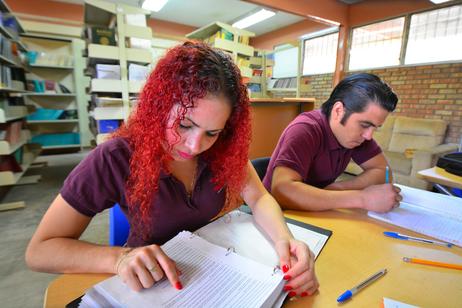
Community college enrollment is rebounding in 2026, but a growing gender gap remains. Explore the latest trends, challenges, and opportunities shaping higher education.

The last few years have been difficult for students at every stage of their educational journey. The decision to attend college is a major one even in normal circumstances, and recent economic uncertainty, changing workforce demands, and the lingering effects of the COVID-19 pandemic have only complicated that decision for many students.

While community colleges have historically served as an affordable and accessible pathway to higher education, the sector experienced significant enrollment declines during and immediately after the pandemic. Today, however, the conversation has shifted. Enrollment is beginning to recover, but another challenge continues to draw attention from educators and policymakers: the widening gender gap.

In this article, we'll explore community college enrollment trends and examine why men continue to be underrepresented in higher education.

Community College Enrollment Before the Pandemic

Before the pandemic, community colleges played a critical role in American higher education. According to the National Center for Education Statistics (NCES), millions of students attended public two-year institutions, representing a substantial share of all undergraduate enrollment.

Community colleges have traditionally attracted a diverse student population, including recent high school graduates, working adults, military veterans, first-generation college students, and learners seeking affordable alternatives to four-year universities.

When it comes to demographics, community colleges have historically enrolled a significant percentage of Hispanic, Black, and Asian students. They have also served as an important access point for students from lower-income backgrounds.

There were disparities in terms of gender as well. Even before the pandemic, women represented

. . .read more

Job Search Tips for Community College Graduates in 2026

Updated
|
Job Search Tips for Community College Graduates in 2026
Learn practical 2026 job search strategies for community college graduates, including networking, resume building, interview preparation, and using career resources to launch a successful career.

According to the U.S. Bureau of Labor Statistics, the U.S. unemployment rate remains historically low in 2026, though hiring conditions vary by industry and region. While many employers continue to recruit community college graduates, competition for entry-level positions remains strong in some fields. As a community college graduate, you may find your job search looks different than it did just a few years ago, with many employers using a combination of virtual and in-person hiring processes.

Read on to learn some simple tips for finding a job and how to ace your interview.

10 Simple Job Search Tips for Graduates

Even in a typical year, graduating from community college and looking for a job can be stressful. Your first job out of school may not be your dream job, but it’s a steppingstone in the path that leads to a successful career.

With many job seekers entering the workforce each year, your job search may be a little longer and more challenging than it normally might be. The best thing you can do is make sure you’re as prepared as you can be to enter the workforce and follow a few simple tips when starting your job search.

Here are 10 simple tips to help you with your job search:

Be flexible. Depending on what you studied in community college and what industry you hope to enter, there may be an abundance of jobs waiting to be filled or very few. You should be prepared

. . .read more

How Has the Pandemic Affected Community Colleges?

Updated
|
How Has the Pandemic Affected Community Colleges?
The world was ill-prepared to find itself in the midst of a global pandemic and the effects of the past year will linger for many years to come. No industry was unaffected and the pandemic brought to light inequities in many, particularly the U.S. education system. Read on to learn how the pandemic has affected community colleges and what students can expect in the future.

The coronavirus pandemic has hit the country hard, but it has been particularly difficult for America’s working class. Low-wage jobs were eliminated by the millions and people without college degrees faced the highest rates of unemployment. Over a year into the pandemic, community colleges – the education system created to help America’s working class – continue to struggle.

According to data from the National Student Clearinghouse, enrollment has declined by nearly 10% at over 1,000 two-year colleges since last spring. Added to a similar drop in enrollment last fall, these numbers more than double the decline in enrollment seen at four-year colleges and universities. Enrollment has declined even more sharply among Black and Hispanic students.

These numbers hint at the many ways the COVID-19 pandemic has affected community colleges and highlight the challenges these schools face if they are to survive. Keep reading to learn more about the current state of community colleges in the U.S. and what the future may hold for them.

Which States Have Been Hit Hardest?

The COVID-19 pandemic hasn’t left a single corner of the world untouched but under the Trump administration the United States saw millions of deaths which left the country in shock. Around the country, students were forced to choose between abandoning their plans and enroll in college or accept an altered version involving remote education. Nearly half of all American households report that a prospective college student cancelled their plans to attend community college in

. . .read more

Community Colleges Are More Important than Ever

Updated
|
Community Colleges Are More Important than Ever
This piece highlights the crucial role of community colleges in addressing economic challenges, providing affordable education, and supporting workforce development. It emphasizes their importance in vocational training and as gateways to higher education, especially in the context of post-pandemic recovery.

In certain circles, community colleges are looked down upon. Some believe a community college degree is less valuable than one earned at a traditional four-year college or university. Many believe, however, that community colleges are the “cornerstone of American higher education.” As the country works to recover from the coronavirus pandemic, they may be more important now than ever.

Community colleges enroll nearly half of all college students and provide educational opportunities some students would otherwise not be able to access. They play a role in workforce development, local economic development, and vocational training.

The coronavirus pandemic that has stretcherding to a 2015 study cod into the summer of 2020 has changed the face of the American education system at all levels. As we look ahead to the 2020-21 school year, thousands of students find themselves wondering what their postsecondary education is going to look like. In these times of change, community colleges are becoming more critical than ever before.

The Role of Community Colleges

The significance of community college is right there in the name – community. Steven Mintz of Inside Higher Ed suggests, “community colleges have a critical role to play in addressing the country’s greatest challenges: stagnant family incomes, disparities in income and wealth, and political polarization.” These institutions play a significant role in their communities and in the more outstanding educational system.

These are some of the most critical roles community colleges play:

  • Workforce development
  • Local and regional economic development
  • Technical and vocational
. . .read more

What Does the Future of Community College Look Like Post COVID-19?

Updated
|
What Does the Future of Community College Look Like Post COVID-19?
This article examines the potential future of community colleges after the COVID-19 pandemic, discussing impacts on enrollment, budget cuts, and the shift to online education. It explores how community colleges are adapting to challenges and opportunities in the post-pandemic landscape.

COVID-19 has financially impacted colleges and universities across the nation in numerous ways. From forced housing refunds to declining enrollment and loss of revenue, many community colleges wonder what the 2020/21 semester will look like – if they have one.

In this article, we’ll explore the financial impact of COVID-19 on community colleges and what they are doing to make up for lost funds. We’ll also touch on predictions for enrollment in the 2020/21 school year and examine the data we’ve already collected regarding the impact of the pandemic on community colleges as well as their faculty and students.

How Have Budget Cuts Affected Community Colleges?

Though the novel coronavirus had already taken hold in numerous countries by then, the World Health Organization (WHO) didn’t announce COVID-19 as a global health crisis until March 11, 2020. Within weeks, thousands of businesses closed their doors, and millions of college students were sent home.

Schools nationwide scrambling to take their programs online were met with the additional challenge of unequal access to resources among their students. For thousands of students, the college experience was significantly altered, and not everyone took it in stride. Students sued several colleges for tuition refunds, and many colleges were forced to provide housing refunds, often over $1,500 per student.

Now that most colleges and universities have officially completed their 2019/20 school year, colleges are left wondering what the next will bring. Many schools find themselves facing budget shortfalls that will undoubtedly impact

. . .read more

Recent Articles

As Four-Year Colleges Enter Short-Term Training, Should You Still Choose a Community College?
As universities expand short-term workforce certificates, learn how community colleges compare on cost, flexibility, employer partnerships, and career outcomes.
What New Federal Aid Rules Mean for Short-Term Training Choices
Learn how new federal financial aid rules affect short-term workforce training programs and what prospective community college students should consider before enrolling.
Childcare, Transportation, and Food Support: Services That Drive Community College Completion
Learn how childcare, transportation, food assistance, and other basic needs services help community college students stay enrolled and graduate.