This article has been updated to reflect 2026 data and recent developments.
Community colleges have long played a vital role in preparing students for local and regional employment. In 2026, their influence extends far beyond local boundaries. As globalization, technological advancement, and workforce shifts accelerate, community colleges are increasingly central to the global economy.
From workforce development to international partnerships, these institutions provide flexible, career-focused education that aligns with evolving economic demands. This updated analysis explores how community colleges contribute to the global economy today and how their role continues to expand.
The Expanding Role of Community Colleges in a Globalized Economy
Community colleges serve millions of students annually across the United States, making them one of the largest entry points into higher education. Their accessibility, affordability, and adaptability position them uniquely to respond to global workforce needs.
In 2026, their role has expanded in three key ways:
- Preparing students for globally connected industries
- Supporting workforce reskilling amid automation
- Partnering with international institutions and employers
These functions are increasingly critical as economies become more interconnected and technology-driven.
Workforce Development for Global Industries
Community colleges are closely aligned with labor market demands, particularly in industries that operate on a global scale.
High-Demand Sectors
Programs have expanded significantly in areas such as:
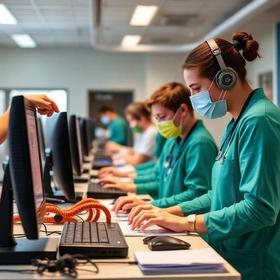
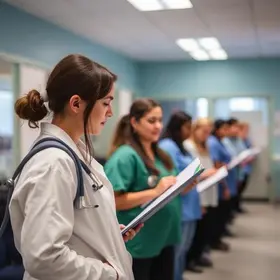
- Healthcare and allied health professions
- Information technology and cybersecurity
- Advanced manufacturing
- Renewable energy and sustainability
These sectors require workers who can operate in globally integrated supply chains and adapt to rapid technological change.
According to the U.S. Bureau of